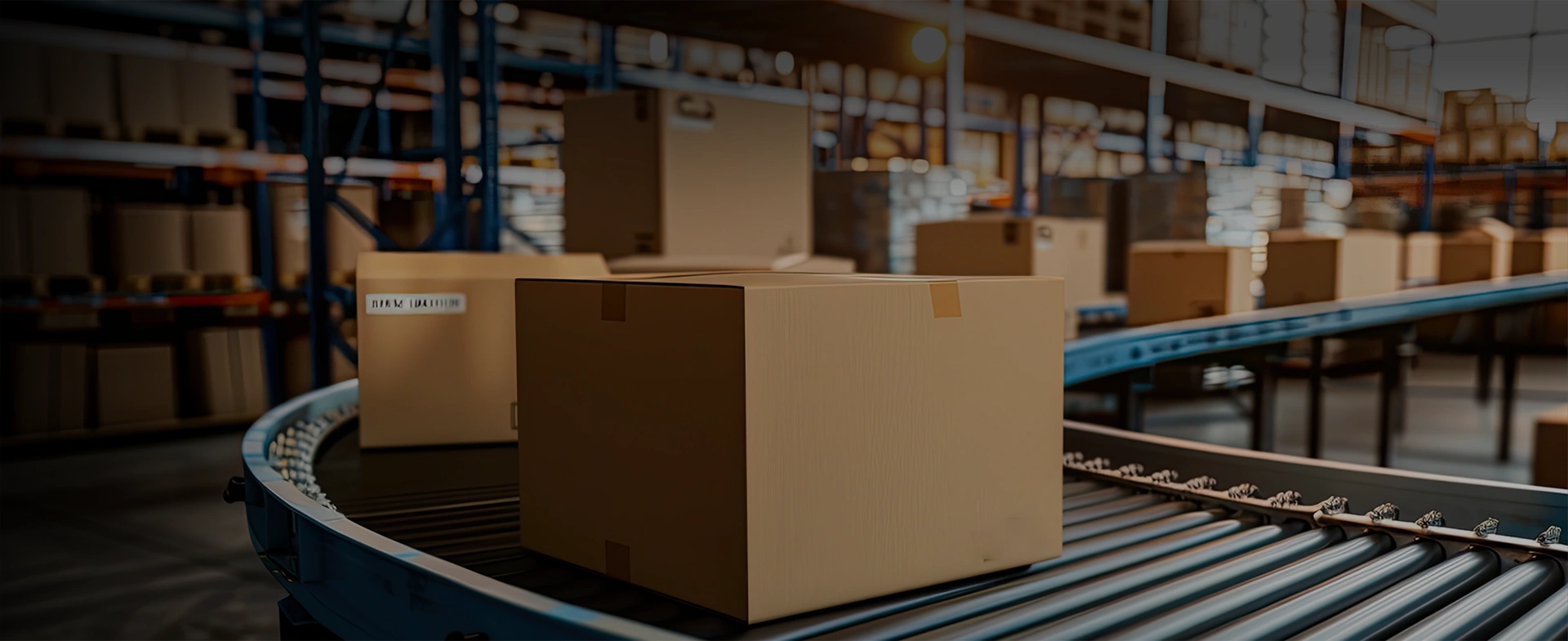

E-commerce fulfillment operations are under constant pressure to process more orders in less time while maintaining packaging quality and controlling labor costs. As order volumes increase, manual packing can become a bottleneck, especially for businesses handling thousands of small and medium-sized parcels every day.
An Automatic Bagging Machine can help fulfillment centers automate the process of bag opening, product insertion, filling, sealing, labeling, and other packaging operations. However, choosing the right machine requires more than comparing packaging speed or equipment prices.
The best solution depends on product characteristics, order volume, bag material, package dimensions, required automation level, and integration with the existing fulfillment workflow.
This guide explains the key factors e-commerce businesses should consider when selecting an Automatic Bagging Machine for fulfillment and shipping operations.
An Automatic Bagging Machine is packaging equipment designed to automate one or more stages of placing products into bags and sealing the finished packages.
Depending on the machine configuration, an automated bagging system may perform functions such as:
· Bag feeding
· Bag opening
· Product insertion
· Automatic filling
· Bag sealing
· Cutting or trimming
· Labeling
· Barcode printing
· Product counting
· Package detection
The level of automation varies between machines.
Some systems are designed for semi-automatic operation, where an operator places products into the packaging area. More advanced systems can be integrated with conveyors, sorting systems, weighing equipment, scanners, and warehouse automation platforms.
For e-commerce operations, the right configuration should be determined by the company's order profile and fulfillment process.
E-commerce fulfillment differs from many traditional manufacturing environments.
A fulfillment center may need to process thousands of orders containing products with different sizes, shapes, and weights.
Manual packaging can create several challenges:
· High labor requirements
· Inconsistent packaging quality
· Slow order processing
· Repetitive manual work
· Difficulty scaling during peak seasons
· Higher packaging costs
· Limited production visibility
An E-commerce Bagging Machine can automate repetitive packaging operations and help fulfillment centers establish a more consistent workflow.
Automation can increase the number of packages processed within a given period.
The actual output depends on the machine model, product characteristics, operator involvement, bag type, and packaging process.
Instead of focusing only on the manufacturer's maximum speed, buyers should evaluate realistic throughput under their actual operating conditions.
Automatic bagging equipment can reduce repetitive tasks such as opening bags, inserting products, and sealing packages.
This can allow operators to focus on:
· Product feeding
· Quality inspection
· Exception handling
· Material replenishment
· Machine monitoring
Reducing repetitive manual work can also make it easier for fulfillment centers to manage periods of high order demand.
Manual packaging can result in differences in sealing position, bag tension, package appearance, and labeling.
An automated packaging process can provide more consistent results when the equipment is correctly configured and maintained.
For e-commerce businesses, consistent packaging can contribute to better shipping efficiency and a more professional customer experience.
Before purchasing an Automatic Bagging Machine, buyers should define the requirements of their existing fulfillment operation.
A machine should be selected according to the products and packaging process rather than the other way around.
Start by analyzing the number of packages processed per day.
For example, a small fulfillment operation may process several hundred packages per day, while a large e-commerce distribution center may handle thousands or tens of thousands.
Buyers should evaluate:
· Average daily orders
· Peak daily orders
· Orders per hour
· Number of shifts
· Expected future growth
Peak demand is particularly important.
A machine that meets today's average volume may not provide enough capacity during seasonal peaks such as Black Friday, Christmas, or major promotional campaigns.
Product dimensions are one of the most important machine-selection factors.
Measure:
· Minimum product size
· Maximum product size
· Product length
· Product width
· Product height
· Product weight
If the fulfillment center handles multiple product categories, buyers should identify the percentage of orders falling into each size range.
A machine designed for small soft goods may not be suitable for larger rigid products.
The physical characteristics of the products also influence machine selection.
Consider whether the products are:
· Soft
· Rigid
· Flat
· Irregularly shaped
· Fragile
· Easily compressed
· Sensitive to pressure
· Sensitive to static electricity
For example, clothing and textiles can often be packaged differently from books, electronics, hardware, or other rigid products.
The product feeding method should therefore be evaluated together with the bagging system.
Bag compatibility is another critical consideration when selecting Industrial Bagging Equipment.
Different fulfillment businesses may use:
· Poly mailers
· Plastic bags
· Paper bags
· Recyclable packaging
· Compostable bags
· Custom printed bags
· Pre-opened bags
· Continuous bag rolls
The machine must be compatible with the selected bag material and dimensions.
Poly mailers are commonly used for e-commerce shipments because they are lightweight, flexible, and suitable for many apparel and consumer products.
If your operation uses poly mailers, verify the machine's compatibility with the required film thickness, bag dimensions, and sealing method.
Businesses seeking more paper-based packaging may require equipment designed specifically for paper bag handling.
Paper has different feeding, opening, folding, and sealing characteristics from plastic film.
Therefore, buyers should not assume that a machine designed for plastic bags will automatically support paper packaging.
Sustainability is becoming increasingly important in e-commerce packaging.
Some businesses are moving toward recyclable or lower-material packaging solutions.
When considering sustainable packaging materials, buyers should confirm:
· Material compatibility
· Sealability
· Machine feeding performance
· Bag strength
· Storage requirements
· Packaging line speed
The material should be tested on the actual machine before large-scale implementation whenever possible.
Not every fulfillment center needs a fully automated packaging line.
The appropriate automation level depends on order volume, available labor, product diversity, and investment budget.
Semi-automatic systems usually require an operator to perform some product handling steps.
They can be suitable for:
· Smaller fulfillment centers
· Businesses with variable product sizes
· Operations with moderate order volumes
· Companies transitioning from manual packaging
Automatic systems can automate more packaging steps and reduce operator involvement.
They may include automatic:
· Bag feeding
· Product detection
· Product insertion
· Bag opening
· Sealing
· Labeling
These systems are generally more suitable for operations with consistent and relatively high order volumes.
Large distribution centers may require a complete packaging

TEL: 13969856723
WhatsApp: 13969856723
E-mail: sarah@bealead.com
Address: No.17 jinzhou road,Changfu District,Changshu city,Jiangsu Province,China
Copyright © 2025 by Bealead Machinery Co., LTD. All Rights Reserved Designed by HUISHANG MEDIA